
Austin Police Brutality Lawyer
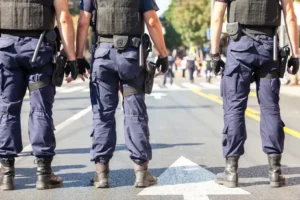
 Police brutality is a serious violation of civil rights, with law enforcement officers abusing their authority to inflict physical harm, emotional trauma, and even death on citizens they swore to protect. Despite increased scrutiny and body camera technology, excessive force incidents continue to occur across Austin and throughout Texas, leaving victims with devastating injuries and families grieving preventable losses.
Holt Major Lackey, PLLC stands ready to hold law enforcement accountable when officers violate your constitutional rights. Call us at (512) 881-1529 or contact us online to schedule a confidential consultation where we investigate your case thoroughly and pursue accountability against police departments and municipalities.
Why Trust Holt Major Lackey, PLLC to Defend Your Rights?
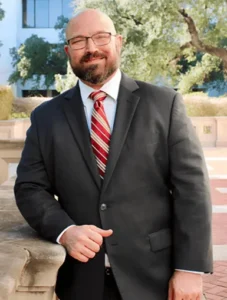
 Holt Lackey brings nearly two decades of experience winning high-profile cases against powerful government entities and well-funded defendants employing aggressive defense tactics. Having served as legal counsel to prominent public officials, including mayors and members of Congress, our firm possesses unique insight into government operations and political dynamics that is invaluable when handling cases with significant public relations and political components.
As one of the most active civil rights practices in the Western District of Texas, we consistently deliver meaningful results for our clients, including a significant $12.5 million verdict that demonstrates our capability to secure substantial compensation even against the most formidable opponents.
What Constitutes Police Brutality?
Police brutality encompasses various forms of excessive force and misconduct that violate citizens’ Fourth Amendment rights against unreasonable searches and seizures. We know what qualifies as brutality and help victims recognize when officers cross legal boundaries:
- Excessive force during arrests.
- Unjustified shootings.
- Chokeholds and neck restraints.
- Taser and stun gun misuse.
- K-9 attacks without justification.
- Physical assault during questioning.
- Sexual assault
- Sexual harassment
- Denial of medical care.
- Wrongful detention.
- Racial profiling leading to violence.
Officers receive training on appropriate levels of force, and any force exceeding what reasonable officers would use under similar circumstances constitutes brutality. Our Austin police brutality attorneys analyze each incident against established use-of-force standards to demonstrate when officers violated departmental policies and constitutional protections.
Legal Claims Available to Victims of Police Brutality
Victims of police brutality can pursue multiple legal claims under federal civil rights statutes, state law, and common law theories that address both constitutional violations and personal injuries. Knowing available remedies helps victims recognize the full scope of compensation they can recover for the harm they have suffered.
Civil Rights Claims
Federal law provides powerful remedies when law enforcement officers violate constitutional rights through excessive force or other misconduct under federal civil rights statutes, including 42 U.S.C. § 1983. Victims can pursue claims seeking:
- Compensatory damages for injuries.
- Punitive damages against individual officers.
- Attorney fees and costs.
- Injunctive relief preventing future misconduct.
- Policy changes at police departments.
Personal Injury Claims
State law personal injury claims allow victims to recover damages for their financial and intangible losses resulting from police brutality. Available compensation includes:
- Medical expenses.
- Lost wages and earning capacity.
- Pain and suffering.
- Emotional distress.
- Permanent disability.
- Disfigurement and scarring.
Wrongful Death Claims
When police brutality results in death, surviving family members can file wrongful death lawsuits under Texas Civil Practice and Remedies Code § 71.004, seeking compensation for devastating losses. Recoverable damages include the following:
- Funeral and burial expenses.
- Lost financial support.
- Loss of companionship and consortium.
- Mental anguish.
- Loss of inheritance.
- Exemplary damages.
How Our Austin Police Brutality Team Fights for You
Our attorneys provide comprehensive legal representation from initial investigation through trial verdict or settlement, shouldering every burden while you focus on physical recovery and emotional healing. We employ carefully developed litigation strategies to challenge qualified immunity defenses and municipal liability limitations that protect officers and departments from accountability.
Investigation and Evidence Collection
Building winning police brutality cases requires immediate evidence preservation before departments destroy records or officers align their stories to justify excessive force. We move quickly to secure and document proof of misconduct:
- Body camera and dashcam footage.
- 911 calls and dispatch recordings.
- Medical records documenting injuries.
- Witness statements and testimony.
- Police reports and incident documentation.
- Departmental policies and training records.
- Expert analysis of force appropriateness
- Social media posts and videos.
Comprehensive evidence collection prevents police departments from controlling the narrative. It allows us to present compelling proof that officers violated established protocols. Our thorough investigation methods consistently uncover evidence that departments hoped would remain hidden from public scrutiny.
Developing a Tailored Legal Strategy
Each police brutality case requires a tailored approach that addresses the relevant legal theories, defendants, and the factual circumstances that affected your encounter with law enforcement. We analyze every aspect of your case to develop strategic plans maximizing recovery while overcoming complex legal defenses.
Filing Lawsuits
Pursuing a police brutality claim requires following intricate procedures, including strict notice requirements, immunity defenses, and tight filing deadlines that can bar your case if missed. At Holt Major Lackey, PLLC, we manage every stage of the complaint process, ensuring all technical rules are followed while building strong, well-supported allegations capable of withstanding dismissal attempts.
We identify all responsible parties, individual officers and municipalities alike, and assert every viable legal theory to maximize your chances of a successful outcome.
Skilled Negotiation
Many police brutality cases settle when municipalities recognize their liability and wish to avoid public trials exposing departmental failures. We negotiate aggressively with city attorneys and insurance companies, leveraging our trial reputation and thorough case preparation to secure settlements that fairly compensate victims without requiring years of litigation.
Trial Representation
When defendants reject fair settlement offers, we are fully prepared to take your case to trial and present a compelling narrative to the jury. Our courtroom experience and litigation skills ensure that law enforcement agencies and their attorneys understand we will pursue accountability through a verdict when necessary. This strong trial posture compels opposing counsel to take your case seriously from the very beginning.
Consult an Austin Police Brutality Lawyer to Discuss Your Case Immediately
Police brutality claims are subject to strict filing deadlines, and delaying legal help can cause you to lose your right to pursue justice. The longer you wait, the greater the risk that key evidence will be lost and witnesses’ recollections will deteriorate.
Contact Holt Major Lackey, PLLC, at (512) 881-1529 or complete our online contact form to schedule a confidential consultation to discuss your civil rights claim.
111 West Anderson Lane Suite D-211
Austin, TX 78752 Get Directions